







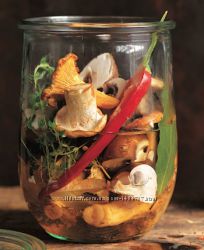

8₴


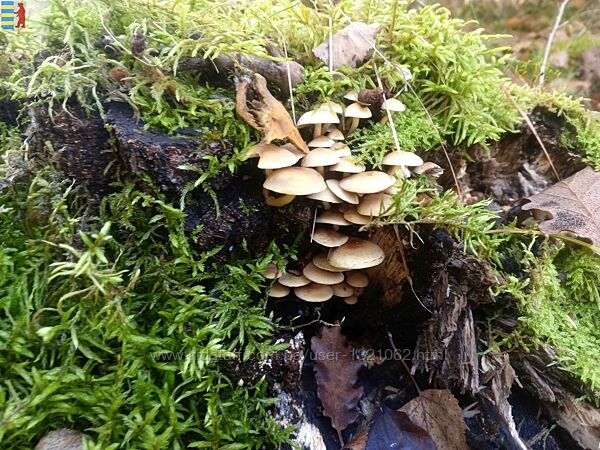


Amanita muscaria история, мифология и фармакология мухомора.
8₴
 В корзину
* оплата после согласования с продавцом
Характеристики товара:
| Состояние | Новое |
| Вид | Грибы |
| Способ приготовления | Вяляное |
Доставка: по всей Украине, указано в объявлении | Ужгород | Наложенный платеж возможен | Актуально на: 16 июля 2026
Информация о продавце
Регистрация: 21.03.2016
Заходил(а): 16.07.2026 (10:27)
Заходил(а): 16.07.2026 (10:27)
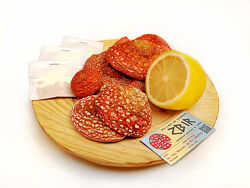
Подробное описание: Amanita muscaria история, мифология и фармакология мухомора.
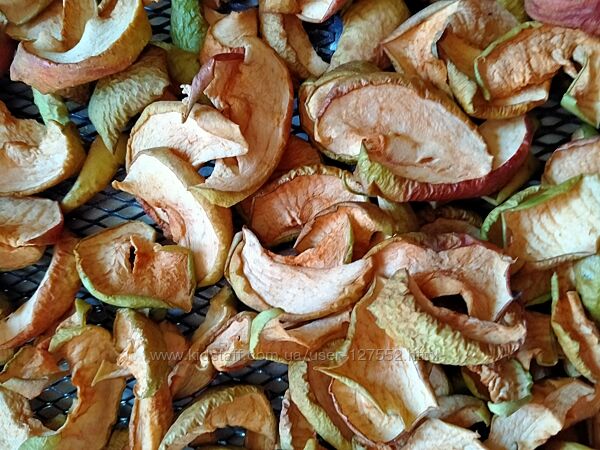
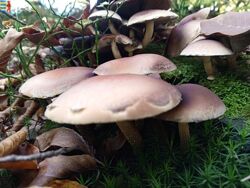
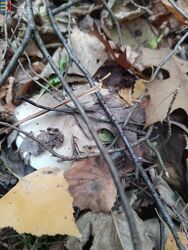
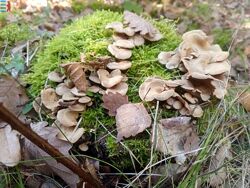
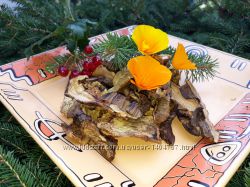
Мухомор Красный собран в лесах Карпатских гор.Сушка до 45 градусов.
Оплата:
eBay
Маркетплейс.
На карту Банка Украины.
Payoneer.
PayPal.
Amanita muscaria: история, мифология и фармакология мухомора.
Amanita muscaria: история, мифология и фармакология мухомора
Автор: Майкл Джеймс Винкельман
Рекомендуемые статьи
Кевин Фини (ред.) (2020).
Мухомор: сборник истории, фармакологии, мифологии и исследований. Ellensburg WA: Fly Agaric Press.
Вводный материал плюс 486 страниц с индексом и ссылками
Amanita muscaria — самый культовый гриб в мире, с древней предысторией, которую можно увидеть только в остатках мифов и фольклора. Э
та слава A. muscaria превосходит время, его культовый образ все еще отображается в современных фильмах, видеоиграх,
детских книгах и праздничном искусстве, но большинство людей не знают о его истинном значении.
Его репутация варьируется от основания изначальной религии Ура до незначительного и неправильно понятого галлюциногенного токсина.
«Мухомор» — самый полный сборник статей об A. muscaria из имеющихся.
Он состоит из введения и 29 глав, половина из которых написана Фини или написана им в соавторстве.
К нему присоединились более дюжины исследователей, исследователей и ученых, которые собирают многослойное понимание этого исключительного гриба.
«Мухомор» охватывает ряд тем, организованных в пять разделов:
(I) Поиск и идентификация грибов; (II) Религия, культура и фольклор;
(III) Археологические свидетельства; (IV) Диета и кухня; и
(V) Фармакология и физиологические эффекты.
Полезная функция книги включает в себя основы идентификации грибов, изучение общих и отличительных черт различных видов Amanita.
Fly Agaric предоставляет фотоиллюстрированное руководство с практическими подробностями, необходимыми для идентификации многих разновидностей Amanita и отличия их от их родственников, включая потенциально вредных двойников.
Начиная с информированных стратегий охоты за грибами,
Фини показывает нам основы с советами относительно ориентации безопасности, стратегий безопасности и необходимого оборудования.
Описания всех аспектов грибов предоставляют технические рекомендации для правильной идентификации видов, дополненные цветными фотографиями.
Микологическая идентификация различных видов, фаз роста, психоактивных концентраций и доз предоставляет технические подробности для более чем дюжины видов и разновидностей психоактивных Amanitas. Он включает в себя важные подробности о том, как различать похожие виды, а также важное местоположение и общее распределение ареала и среды обитания и сезонные особенности относительно видов, которые важны для поиска и идентификации грибов. В одной главе описываются фармакологические эффекты основных психоактивных ингредиентов, мусцимола и иботеновой кислоты, а также их взаимосвязь через метаболические процессы организма, вопросы, которые играют важную роль в интерпретации доказательств существования A. muscaria в прошлом.
Часть II этой книги углубляется в культуру и фольклор, начиная от исторического и современного использования в Сибири и заканчивая глубокой историей мухомора в мифологии и религии.Несколько глав продолжают сравнительный подход Уоссона к пониманию предыстории этого гриба, объединяя этнографическую, лингвистическую и историческую информацию с экологическими, фармакологическими и биологическими данными, чтобы выявить косвенные и существенные доказательства, которые помогают связать воедино разнообразные формы знаний, раскрывающие доисторические и исторические культурные традиции использования мухомора.
Фини и Остин обновляют известную теорию Гордона Уоссона об идентичности сомы в «Третьем фильтре сомы: новые открытия, подтверждающие идентификацию A. muscaria как древнего таинства Вед». Уоссон предположил, что Веды указывают три различных фильтра, используемых при приготовлении сомы, которые соответствуют различным этапам ее приготовления. Первые два фильтра относительно бесспорны, фильтр, обеспечиваемый солнечным светом или сушкой на солнце, и второй, использующий фильтр из шерсти для отделения остаточных твердых веществ от водных препаратов.
Эта сушка на солнце является важным механизмом усиления эффектов A. muscaria. Сушка приводит к декарбоксилированию иботеновой кислоты в мусцимол, что резко снижает концентрацию первой и неприятные побочные эффекты, одновременно увеличивая концентрацию более психоактивного мусцимола. Этот физиологический транс.
De Rode Vliegenzwam werd verzameld in de bossen van de Karpaten.
Drogen tot 45 graden.
Betaling:
eBay
Marktplaats.
Naar de kaart van de Bank of Ukraine.
Betaaler.
PayPal.
Amanita muscaria: geschiedenis, mythologie en farmacologie van de vliegenzwam.
Amanita muscaria: geschiedenis, mythologie en farmacologie van vliegenzwam
Auteur: Michael James Winkelman
Aanbevolen artikelen
Kevin Feeney (red.) (2020).
Vliegenzwam: een verzameling geschiedenis, farmacologie, mythologie en onderzoek. Ellensburg WA: Vliegenzwam Press.
Inleidend materiaal plus 486 pagina´s met index en referenties
Amanita muscaria is de meest iconische paddenstoel ter wereld, met een eeuwenoud achtergrondverhaal dat alleen terug te vinden is in de overblijfselen van mythen en folklore. E
De faam van A. muscaria overstijgt de tijd, het iconische beeld wordt nog steeds weergegeven in moderne films, videogames,
kinderboeken en vakantiekunst, maar de meeste mensen zijn zich niet bewust van de ware betekenis ervan.
De reputatie ervan varieert van het stichten van de oorspronkelijke religie van Ur tot het feit dat het een klein en verkeerd begrepen hallucinogeen gif is.
Vliegenzwam is de meest uitgebreide verzameling artikelen over A. muscaria die beschikbaar is.
Het bestaat uit een inleiding en 29 hoofdstukken, waarvan de helft (mede) geschreven door Feeney.
Hij wordt vergezeld door meer dan een dozijn onderzoekers, ontdekkingsreizigers en wetenschappers die een meergelaagd begrip van deze uitzonderlijke paddenstoel samenbrengen.
"Amanita" behandelt een aantal onderwerpen, onderverdeeld in vijf secties:
(I) Zoeken en identificeren van paddenstoelen; (II) Religie, cultuur en folklore;
(III) Archeologisch bewijs; (IV) Dieet en keuken; En
(V) Farmacologie en fysiologische effecten.Nuttige kenmerken van het boek zijn onder meer de basisprincipes van paddenstoelidentificatie, het leren van de gemeenschappelijke en onderscheidende kenmerken van verschillende Amanita-soorten.
Vliegenzwam biedt een met foto´s geïllustreerde gids met de praktische details die nodig zijn om veel soorten Amanita´s te identificeren en ze te onderscheiden van hun verwanten, inclusief potentieel schadelijke lookalikes.
Beginnend met geïnformeerde jachtstrategieën voor paddenstoelen,
Feeney laat ons de basis zien met tips over veiligheidsoriëntatie, veiligheidsstrategieën en benodigde uitrusting.
Beschrijvingen van alle aspecten van schimmels bieden technische richtlijnen voor de correcte identificatie van soorten, aangevuld met kleurenfoto´s.
Mycologische identificatie van verschillende soorten, groeifasen, psychoactieve concentraties en doses levert technische details op voor meer dan een dozijn soorten en variëteiten van psychoactieve Amanitas. Het bevat belangrijke details over hoe onderscheid te maken tussen vergelijkbare soorten, evenals belangrijke locatie en algemene verspreiding van verspreidingsgebied en habitat en seizoenspatronen met betrekking tot soorten die belangrijk zijn voor het vinden en identificeren van paddenstoelen. Eén hoofdstuk beschrijft de farmacologische effecten van de belangrijkste psychoactieve ingrediënten, muscimol en iboteenzuur, en hun interacties via de metabolische processen van het lichaam, kwesties die een belangrijke rol spelen bij het interpreteren van bewijsmateriaal voor het vroegere bestaan van A. muscaria.
Deel II van dit boek gaat dieper in op cultuur en folklore, variërend van historisch en modern gebruik in Siberië tot de diepgaande geschiedenis van de vliegenzwam in mythologie en religie.Verschillende hoofdstukken zetten Wassons vergelijkende benadering voort om de prehistorie van deze paddenstoel te begrijpen, waarbij etnografische, taalkundige en historische informatie wordt geïntegreerd met omgevings-, farmacologische en biologische gegevens om indirect en inhoudelijk bewijsmateriaal te identificeren dat helpt bij het met elkaar verbinden van diverse vormen van kennis die prehistorische en historische gegevens onthullen. culturele tradities van het gebruik van vliegenzwammen.
Feeney en Austin actualiseren Gordon Wassons beroemde theorie over soma-identiteit in "The Third Soma Filter: New Findings Supporting the Identification of A. muscaria as an Ancient Vedic Mystery." Wasson suggereerde dat de Veda´s drie verschillende filters vermelden die worden gebruikt bij de bereiding van soma, die overeenkomen met de verschillende stadia van de bereiding ervan. De eerste twee filters zijn relatief onomstreden: een filter dat wordt verkregen door zonlicht of drogen in de zon, en een tweede die een wolfilter gebruikt om resterende vaste stoffen uit waterige preparaten te scheiden.
Dit drogen in de zon is een belangrijk mechanisme voor het versterken van de effecten van A. muscaria. Drogen veroorzaakt de decarboxylering van iboteenzuur tot muscimol, waardoor de concentratie van de eerstgenoemde en onaangename bijwerkingen dramatisch wordt verminderd, terwijl de concentratie van het meer psychoactieve muscimol toeneemt. Deze fysiologische trance.
Red Fly Agaric collected in the forests of the Carpathian Mountains.
Drying to 45 degrees.
Payment:
eBay
Marketplace.
To the Bank of Ukraine card.
Payoneer.
PayPal.
Amanita muscaria: history, mythology, and pharmacology of the fly agaric.
Amanita muscaria: history, mythology, and pharmacology of the fly agaric
Author: Michael James Winkelman
Recommended articles
Kevin Feeney (ed.) (2020).
Fly Agaric: a collection of history, pharmacology, mythology, and research. Ellensburg WA: Fly Agaric Press.
Introductory material plus 486 pages with index and references
Amanita muscaria is the most iconic mushroom in the world, with an ancient prehistory that can only be seen in the remnants of myth and folklore. A. muscaria´s fame transcends time, its iconic image still reflected in modern films, video games, children´s books, and holiday art, but most people are unaware of its true significance.
Its reputation ranges from the foundation of the original religion of Ur to a minor and misunderstood hallucinogenic toxin.
Amanita is the most comprehensive collection of articles on A. muscaria available.
It consists of an introduction and 29 chapters, half of which were written or co-written by Feeney.
He is joined by more than a dozen researchers, scholars, and scientists who assemble a multi-layered understanding of this exceptional mushroom.
Amanita covers a range of topics, organized into five sections:
(I) Finding and Identifying Mushrooms; (II) Religion, Culture, and Folklore;
(III) Archaeological Evidence; (IV) Diet and Cuisine; and
(V) Pharmacology and Physiological Effects.The book´s useful features include the basics of mushroom identification, exploring the common and distinctive features of the various Amanita species.
Fly Agaric provides a photo-illustrated guide with the practical details needed to identify the many varieties of Amanita and distinguish them from their relatives, including potentially harmful look-alikes.
Beginning with informed mushroom hunting strategies,
Feeney shows us the basics with tips on safety orientation, safety strategies, and the equipment needed.
Descriptions of all aspects of mushrooms provide technical guidance for proper species identification, complemented by color photographs.
Mycological Identification of Different Species, Growth Phases, Psychoactive Concentrations, and Doses provides technical details for over a dozen species and varieties of psychoactive Amanitas. It includes important details on how to differentiate between similar species, as well as the important location and general distribution of habitat and habitat and seasonal patterns relative to species, which are important for mushroom hunting and identification. One chapter describes the pharmacological effects of the main psychoactive ingredients, muscimol and ibotenic acid, and their interrelationships through the body´s metabolic processes, issues that play an important role in interpreting the evidence for the past existence of A. muscaria. Part II of this book delves into culture and folklore, from historical and modern use in Siberia to the deep history of the fly agaric in mythology and religion.Several chapters continue Wasson´s comparative approach to understanding the prehistory of this mushroom, integrating ethnographic, linguistic, and historical information with ecological, pharmacological, and biological data to reveal circumstantial and substantial evidence that helps to link together diverse forms of knowledge that reveal prehistoric and historical cultural traditions of fly agaric use.
Feeney and Austin update Gordon Wasson´s famous theory of the identity of soma in "The Third Soma Filter: New Findings Support the Identification of A. muscaria as an Ancient Vedic Mystery." Wasson proposed that the Vedas specify three different filters used in the preparation of soma, which correspond to different stages of its preparation. The first two filters are relatively uncontroversial, a filter provided by sunlight or sun-drying, and a second using a wool filter to separate residual solids from aqueous preparations.
This sun-drying is an important mechanism for enhancing the effects of A. muscaria. Drying causes decarboxylation of ibotenic acid into muscimol, which dramatically reduces the concentration of the former and its unpleasant side effects, while increasing the concentration of the more psychoactive muscimol. This is a physiological trance.
Der Rote Fliegenpilz wurde in den Wäldern der Karpaten gesammelt.
Trocknen bis 45 Grad.
Zahlung:
eBay
Marktplatz.
Zur Karte der Bank der Ukraine.
Zahler.
PayPal.
Amanita muscaria: Geschichte, Mythologie und Pharmakologie des Fliegenpilzes.
Amanita muscaria: Geschichte, Mythologie und Pharmakologie des Fliegenpilzes
Autor: Michael James Winkelman
Empfohlene Artikel
Kevin Feeney (Hrsg.) (2020).
Fliegenpilz: eine Sammlung aus Geschichte, Pharmakologie, Mythologie und Forschung. Ellensburg WA: Fliegenpilzpresse.
Einführungsmaterial plus 486 Seiten mit Index und Referenzen
Amanita muscaria ist der berühmteste Pilz der Welt, mit einer uralten Hintergrundgeschichte, die nur in den Überresten von Mythen und Folklore zu sehen ist. E
Der Ruhm von A. muscaria geht über die Zeit hinaus, sein ikonisches Bild wird immer noch in modernen Filmen, Videospielen,
Kinderbücher und Feiertagskunst, aber die meisten Menschen sind sich ihrer wahren Bedeutung nicht bewusst.
Sein Ruf reicht von der Gründung der ursprünglichen Religion von Ur bis hin zu einem unbedeutenden und missverstandenen halluzinogenen Gift.
Fly Agaric ist die umfassendste verfügbare Sammlung von Artikeln über A. muscaria.
Es besteht aus einer Einleitung und 29 Kapiteln, von denen die Hälfte von Feeney geschrieben oder mitgeschrieben wurde.
Zu ihm gesellen sich mehr als ein Dutzend Forscher, Entdecker und Wissenschaftler, die ein vielschichtiges Verständnis dieses außergewöhnlichen Pilzes zusammenstellen.
„Amanita“ deckt eine Reihe von Themen ab, die in fünf Abschnitte unterteilt sind:
(I) Suche und Identifizierung von Pilzen; (II) Religion, Kultur und Folklore;
(III) Archäologische Beweise; (IV) Ernährung und Küche; Und
(V) Pharmakologie und physiologische Wirkungen.Zu den hilfreichen Inhalten des Buches gehören die Grundlagen der Pilzidentifizierung sowie das Erlernen der gemeinsamen und unterscheidenden Merkmale verschiedener Amanita-Arten.
Fly Agaric bietet einen mit Fotos illustrierten Leitfaden mit den praktischen Details, die zur Identifizierung vieler Amanita-Arten und zur Unterscheidung von ihren Verwandten, einschließlich potenziell schädlicher Doppelgänger, erforderlich sind.
Beginnend mit fundierten Strategien zur Pilzsuche,
Feeney zeigt uns die Grundlagen mit Tipps zur Sicherheitsorientierung, Sicherheitsstrategien und benötigter Ausrüstung.
Beschreibungen aller Aspekte von Pilzen bieten technische Anleitungen zur korrekten Artenbestimmung, ergänzt durch Farbfotos.
Die mykologische Identifizierung verschiedener Arten, Wachstumsphasen, psychoaktiver Konzentrationen und Dosen liefert technische Details für mehr als ein Dutzend Arten und Sorten psychoaktiver Amanitas. Es enthält wichtige Details zur Unterscheidung ähnlicher Arten sowie wichtige Standorte und allgemeine Verbreitungs- und Lebensraumverteilungen sowie saisonale Muster von Arten, die für das Auffinden und Identifizieren von Pilzen wichtig sind. Ein Kapitel beschreibt die pharmakologischen Wirkungen der wichtigsten psychoaktiven Inhaltsstoffe Muscimol und Ibotensäure sowie deren Wechselwirkungen durch die Stoffwechselprozesse des Körpers. Diese Themen spielen eine wichtige Rolle bei der Interpretation von Beweisen für die frühere Existenz von A. muscaria.
Teil II dieses Buches befasst sich mit Kultur und Folklore und reicht von der historischen und modernen Verwendung in Sibirien bis hin zur tiefen Geschichte des Fliegenpilzes in Mythologie und Religion.In mehreren Kapiteln wird Wassons vergleichender Ansatz zum Verständnis der Vorgeschichte dieses Pilzes fortgesetzt, indem er ethnografische, sprachliche und historische Informationen mit Umwelt-, pharmakologischen und biologischen Daten integriert, um Indizien und substanzielle Beweise zu identifizieren, die dabei helfen, verschiedene Wissensformen, die prähistorische und historische Erkenntnisse offenbaren, miteinander zu verbinden Kulturelle Traditionen der Verwendung von Fliegenpilzen.
Feeney und Austin aktualisieren Gordon Wassons berühmte Theorie der Soma-Identität in „The Third Soma Filter: New Findings Supporting the Identification of A. muscaria as an Ancient Vedic Mystery“. Wasson schlug vor, dass die Veden drei verschiedene Filter angeben, die bei der Zubereitung von Soma verwendet werden und den verschiedenen Phasen seiner Zubereitung entsprechen. Die ersten beiden Filter sind relativ unumstritten, ein Filter, der durch Sonnenlicht oder Sonnentrocknung bereitgestellt wird, und ein zweiter, der einen Wollfilter verwendet, um restliche Feststoffe aus wässrigen Zubereitungen abzutrennen.
Diese Sonnentrocknung ist ein wichtiger Mechanismus zur Verstärkung der Wirkung von A. muscaria. Durch das Trocknen kommt es zu einer Decarboxylierung von Ibotensäure zu Muscimol, was die Konzentration ersterer und unangenehmer Nebenwirkungen drastisch reduziert und gleichzeitig die Konzentration des psychoaktiveren Muscimol erhöht. Diese physiologische Trance.
L´agaric mouche rouge a été collecté dans les forêts des Carpates.
Séchage jusqu´à 45 degrés.
Paiement:
eBay
Marché.
À la carte de la Banque d´Ukraine.
Payeur.
PayPal.
Amanita muscaria : histoire, mythologie et pharmacologie de l´agaric mouche.
Amanita muscaria : histoire, mythologie et pharmacologie de l´agaric mouche
Auteur : Michael James Winkelman
Articles recommandés
Kevin Feeney (éd.) (2020).
Amanite mouche : une collection d´histoire, de pharmacologie, de mythologie et de recherche. Ellensburg WA : Presse à agaric mouche.
Matériel d´introduction plus 486 pages avec index et références
L´Amanita muscaria est le champignon le plus emblématique au monde, avec une histoire ancienne qui ne peut être vue que dans les vestiges du mythe et du folklore. E
La renommée d´A. muscaria transcende le temps, son image emblématique est toujours affichée dans les films modernes, les jeux vidéo,
les livres pour enfants et l´art des fêtes, mais la plupart des gens ignorent sa véritable signification.
Sa réputation va de la fondation de la religion originale d´Ur à celle d´une toxine hallucinogène mineure et incomprise.
Fly Agaric est la collection d’articles la plus complète disponible sur A. muscaria.
Il se compose d´une introduction et de 29 chapitres, dont la moitié ont été écrits ou co-écrits par Feeney.
Il est rejoint par plus d’une douzaine de chercheurs, explorateurs et scientifiques qui rassemblent une compréhension à plusieurs niveaux de ce champignon exceptionnel.
"Amanita" couvre un certain nombre de sujets, organisés en cinq sections :
(I) Recherche et identification des champignons ; (II) Religion, culture et folklore ;
(III) Preuves archéologiques ; (IV) Régime alimentaire et cuisine ; Et
(V) Pharmacologie et effets physiologiques.Les fonctionnalités utiles du livre incluent les bases de l´identification des champignons, l´apprentissage des caractéristiques communes et distinctives des différentes espèces d´Amanita.
Fly Agaric fournit un guide illustré de photos avec les détails pratiques nécessaires pour identifier de nombreuses espèces d´Amanita et les distinguer de leurs proches, y compris les sosies potentiellement nuisibles.
En commençant par des stratégies éclairées de chasse aux champignons,
Feeney nous montre les bases avec des conseils sur l´orientation en matière de sécurité, les stratégies de sécurité et l´équipement nécessaire.
Les descriptions de tous les aspects des champignons fournissent des conseils techniques pour l´identification correcte des espèces, complétées par des photographies en couleur.
L´identification mycologique de différentes espèces, phases de croissance, concentrations et doses psychoactives fournit des détails techniques sur plus d´une douzaine d´espèces et variétés d´Amanitas psychoactives. Il comprend des détails importants sur la façon de différencier des espèces similaires, ainsi que l´emplacement important et la répartition générale de l´aire de répartition et de l´habitat ainsi que les tendances saisonnières concernant les espèces importantes pour la recherche et l´identification des champignons. Un chapitre décrit les effets pharmacologiques des principaux ingrédients psychoactifs, le muscimol et l´acide iboténique, ainsi que leurs interactions à travers les processus métaboliques de l´organisme, questions qui jouent un rôle important dans l´interprétation des preuves de l´existence passée d´A. muscaria.
La deuxième partie de ce livre explore la culture et le folklore, allant de l´utilisation historique et moderne en Sibérie à l´histoire profonde de l´agaric mouche dans la mythologie et la religion.Plusieurs chapitres poursuivent l´approche comparative de Wasson pour comprendre la préhistoire de ce champignon, intégrant des informations ethnographiques, linguistiques et historiques avec des données environnementales, pharmacologiques et biologiques pour identifier des preuves circonstancielles et substantielles qui aident à lier diverses formes de connaissances qui révèlent des phénomènes préhistoriques et historiques. traditions culturelles d´utilisation de l´agaric mouche.
Feeney et Austin mettent à jour la célèbre théorie de l´identité soma de Gordon Wasson dans « Le troisième filtre soma : nouvelles découvertes soutenant l´identification d´A. muscaria comme un mystère védique ancien ». Wasson a suggéré que les Vedas indiquent trois filtres différents utilisés dans la préparation du soma, qui correspondent aux différentes étapes de sa préparation. Les deux premiers filtres sont relativement peu controversés, un filtre fourni par la lumière du soleil ou un séchage au soleil, et un second utilisant un filtre en laine pour séparer les solides résiduels des préparations aqueuses.
Ce séchage au soleil est un mécanisme important pour renforcer les effets d’A. muscaria. Le séchage provoque la décarboxylation de l´acide iboténique en muscimol, ce qui réduit considérablement la concentration des premiers effets secondaires désagréables, tout en augmentant la concentration du muscimol plus psychoactif. Cette transe physiologique.
Другие объявления продавца
Похожие объявления
 Мигдаль золотий525₴
